Drawing review
Confirm part geometry, material, expected quantity and the features that need to be controlled.
In-house stamping die development
As a stamping die manufacturer, JoyStarTooling develops custom metal stamping dies around your part requirements. Our in-house metal stamping tooling capabilities connect die design and manufacturing with subsequent parts production.
Custom stamping dies for your project
Component geometry, material, critical dimensions and production quantity all influence a new stamping die. We review these requirements before agreeing the tooling scope and sample approval process.
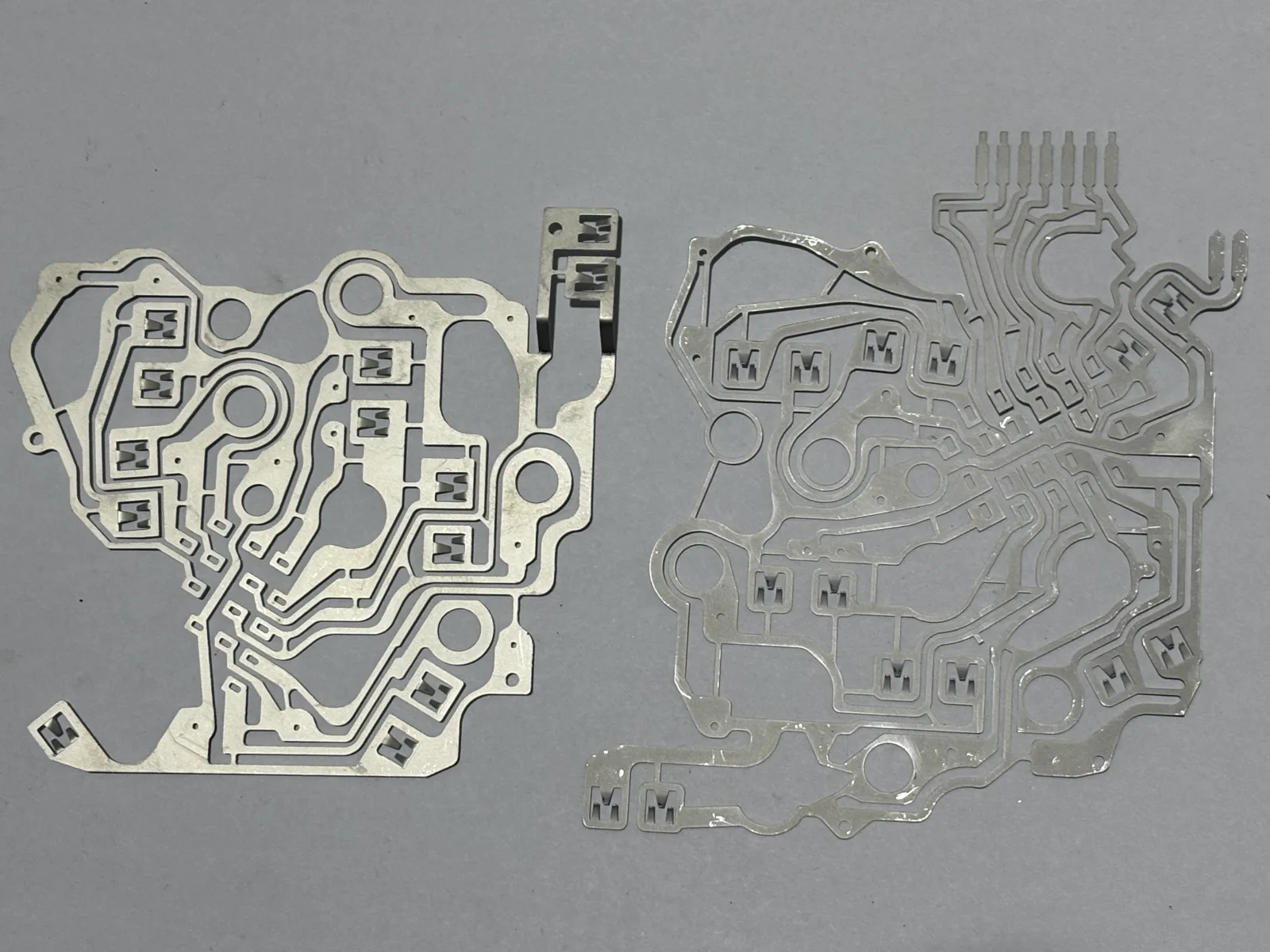
Our die maker brings around 20 years of experience to custom tooling development. Complex stamped profiles in our product examples show the kinds of component features that tooling must produce.
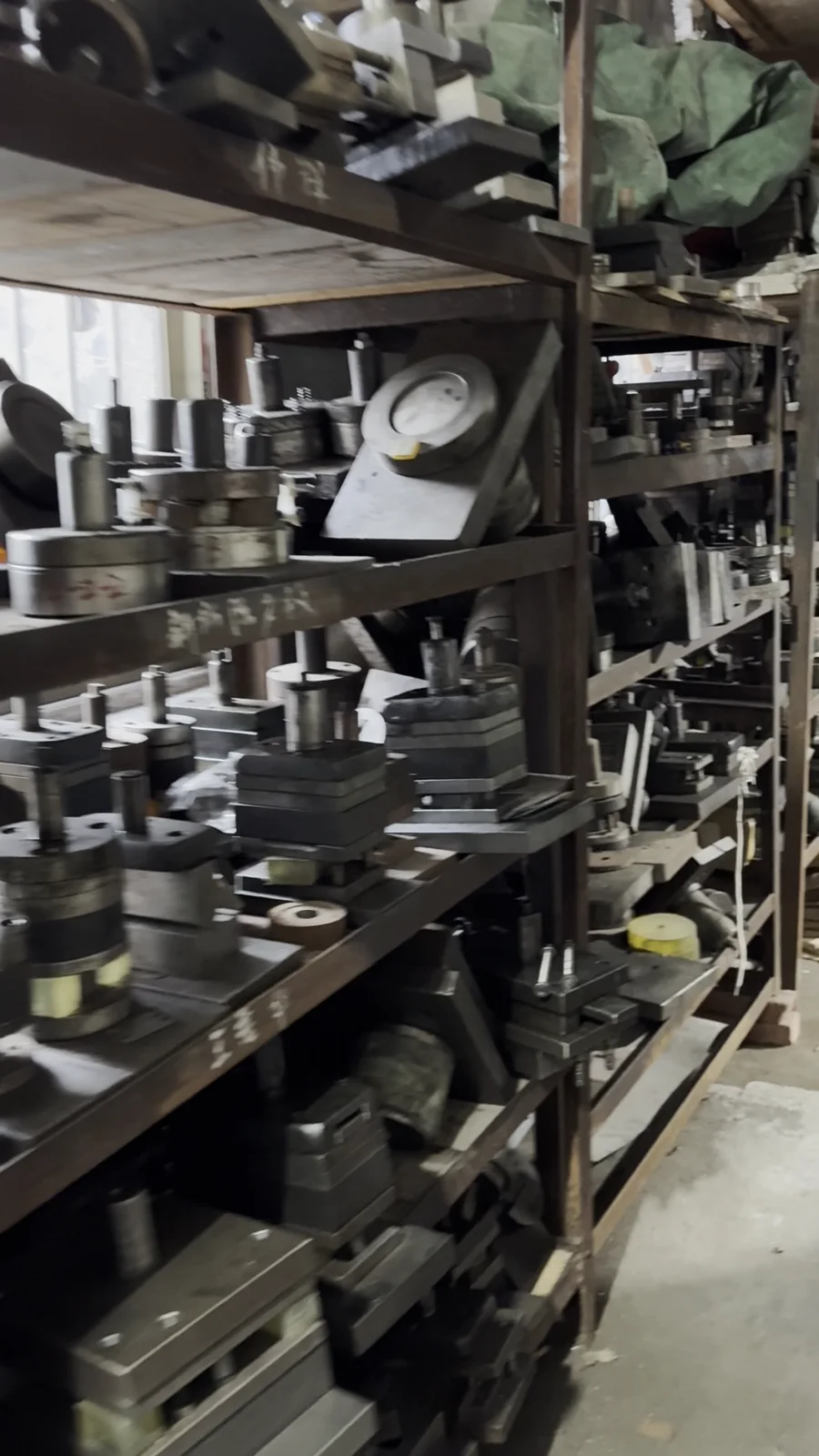
In-house metal stamping tooling
Die design and manufacturing are supported by CNC machining, wire EDM and small-hole EDM in the workshop. The process is selected according to the tooling features required.
Working with a metal stamping die manufacturer that also produces the parts allows tooling discussions and sample review to stay connected to the intended production run.
See the Toolroom & EquipmentFrom die development to parts production
Confirm part geometry, material, expected quantity and the features that need to be controlled.
Define the custom tooling approach and manufacture the agreed stamping die.
Review initial stamped parts against the agreed drawing and approval requirements.
Move into custom metal stamping parts production after sample approval.
Project questions
A part drawing or sample reference, material grade and thickness, critical dimensions, expected order quantities and any sample approval requirements. This information helps define the tooling scope and production approach.
Yes. Our core service connects custom stamping die development with sample review and finished metal parts production. Tooling scope and the production arrangement are agreed for each project.
Geometry, material, critical features and expected quantities influence the tooling design and manufacturing route. We discuss these factors together so the tooling approach reflects the intended production needs.